Documents to download
Code of Conduct
Conference tips for first timers (English)
Conseils de conférence pour les débutants (Français)
Consejos para quienes participan por primera vez en congresos (Spanish)
Safely navigating Antananarivo - advice for attendees of IPS (English)
(identified with a rainbow lanyard)
Onja Razanamaro
Joelisoa Ratsirarson
Tim Eppley
Susana Carvalho
Liliana Cortes-Ortiz
Harmonie Klein
Adrienne Chitayat
Himani Nautiyal
Marni la Fleur
Nadine Rupert
This Code of Conduct applies to all participants of the IPS Madagascar 2025 Congress, including registered attendees, staff, guests, volunteers, and trainers. It encompasses all events associated with the congress, such as the Pre-Congress Training Program, the main congress sessions, and any related post-congress activities.
The IPS Madagascar 2025 Congress is dedicated to fostering a safe and welcoming environment that promotes learning and the exchange of knowledge among attendees from diverse backgrounds. We are committed to ensuring that all participants, regardless of race, gender, religion, disability, country of origin, or other aspects of identity including inclusivity for members of LGBTQ+ communities, are treated with respect and dignity.
Participants are expected to:
The following behaviors are strictly prohibited:
The organizing committee reserves the right to take appropriate action against individuals who violate this Code of Conduct. This may include removal from the Congress without refund, notification of the individual's home institution, or reporting to local authorities, in accordance with Malagasy law.
Welfare Officers will be available throughout the congress to address any concerns related to participant welfare. These officers will be identifiable by distinct colored lanyards/name tags and can be approached at any time. Members of the organizing committee can also assist you in locating the nearest Welfare Officer, who will ensure a safe and confidential space to meet with you. Participants can also contact the Welfare Team via email at:
edei.ipsmadagascar2025@gmail.com
For any questions or to report concerns, please reach out to the organizing committee at:
Email: ipsmadagascar2025@hotmail.com
Website: https://ipsmadagascar.org/
We appreciate your cooperation in upholding these standards to ensure a positive and inclusive experience for all attendees.
Chair IPS Congress Madagascar
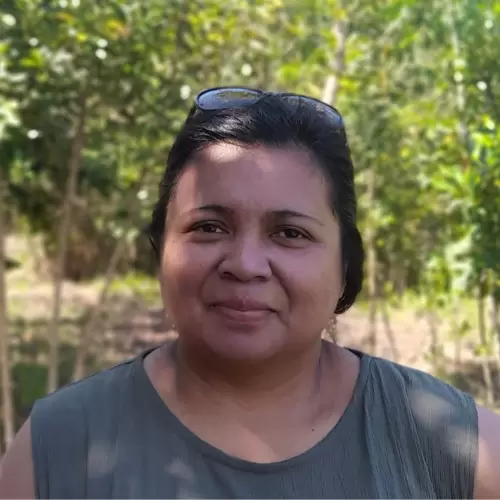
Josia Razafindramanana, is a primatologist specializing in holistic biodiversity conservation in Madagascar. She launched the Sifaka Conservation program after her PhD, earning international recognition, including the Whitley Award. To sustain this work, she founded IMPACT Madagascar, focusing on community-based conservation. Josia also led a globally recognized environmental management program at Ambatovy mining company, where she fostered both biodiversity gains and team development. Now with Maliasili, she strengthens local organizations, helping them become more structured and results-driven. Passionate about education, she also teaches sustainability at the University of Antananarivo, believing it is key to positive change in Madagascar.
Co-chair IPS Congress Madagascar
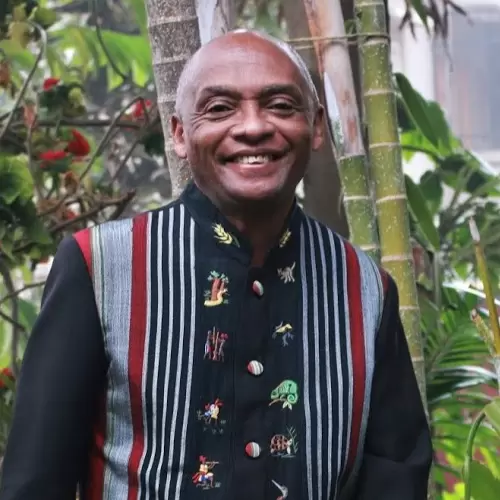
Jonah is a native of Madagascar and holds a Ph.D. in Physical Anthropology from Stony Brook University in New York. Currently, he serves as the President of the international Primatological Society (IPS) and works as an adjunct professor at a leading university in Madagascar. Throughout his distinguished career, he has assumed several pivotal roles. He is the President of the Madagascar Primate Research Group, Director of the Houston Zoo Madagascar Program, and Co-Vice Chair of the IUCN SSC Primate Specialist Group (Madagascar Section). In addition, he is recognized as a National Geographic Explorer, serves as a Counselor for the Lemur Conservation Network, is a member of the Advisory Board for the African Primatological Society, and acts as the CITES Representative for Madagascar. Jonah's exemplary contributions to science and conservation have earned him the honor of being named a Fellow of both the African Academy of Sciences and the World Academy of Sciences. His work continues to drive forward critical research and conservation efforts across Madagascar and beyond.
Chair IPS Congress Madagascar
Sylviane Volampeno studied Animal Biology at the University of Antananarivo. She received her Ph.D. in Zoology from the University of KwaZulu-Natal (South Africa), focusing on the blue-eyed black lemur (Eulemur flavifrons) in the Sahamalaza-Iles Radama National Park, Madagascar. Her areas of interest include primate conservation and biological research, the sustainable use of ecosystem services, local community development, and environmental education. She is the founder and current president of the Madagascar-based conservation association Mikajy Natiora. Sylviane is also a member of the Malagasy Primate Group (GERP) and the IUCN SSC Primate Specialist Group.
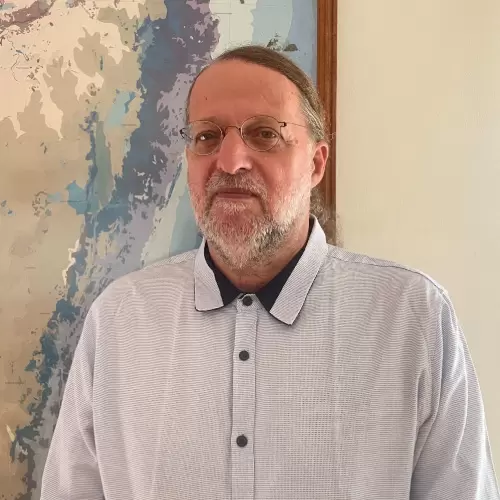
Steve Goodman has studied different aspects of the fauna of Madagascar for close to four decades and published numerous scientific articles and books concerning the island's biodiversity and protected areas. He holds the post of Macarthur Field Biologist at The Field Museum of Natural History in Chicago and Vice President of Association Vahatra in Antananarivo. He has been bestowed the diploma Docteur honoris causa by The University of Antananarivo.
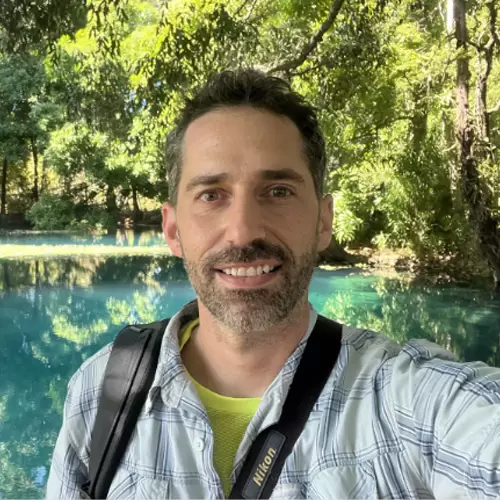
Timothy Eppley has conducted field research on primate behavioral ecology in Madagascar for nearly 20 years, focusing on how species cope with anthropogenic pressures as well as working with local communities to generate sustainable livelihoods. He is the Chief Conservation Officer for the NGO Wildlife Madagascar, the Red List Authority Coordinator for the IUCN SSC Primate Specialist Group, and a Visiting Scholar at Portland State University. He earned a PhD in Animal Ecology and Conservation from the University of Hamburg.
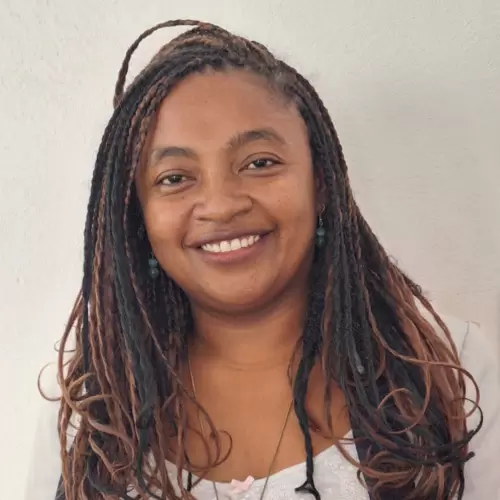
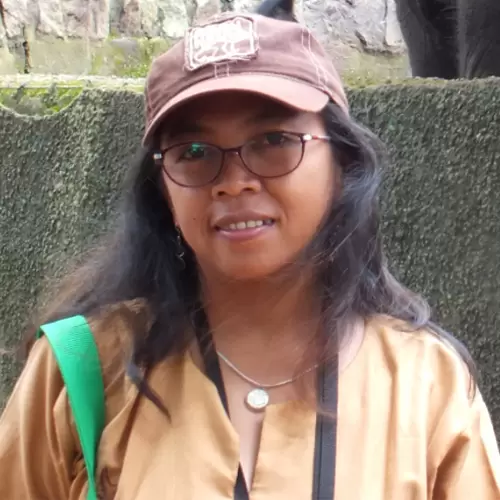
Dr. Razanamaro Onja Hariveloniaina Morilline, a passionate Malagasy botanist, excels in biodiversity conservation. With a doctorate in ecology, she conducts in-depth research on endemic flora, notably baobabs. Her expertise encompasses strategic fundraising, international partnerships (Royal Botanic Gardens Kew, University of Sapienza, CIRAD Montpellier, France) and large-scale project management. Skilled in plant taxonomy, scientific diplomacy, and she's secured numerous grants such as The World Academy of Sciences (TWAS), International Foundation for Science (IFS), Ruffords small grants fund, Darwin Initiative award. An Africa Science Leadership Program fellow, International Network for Government Science Advice (INGSA, Africa Chapter) mentee, and Global Indigenous Youth Summit on Climate Change (GIYSCC) Co-Lead (Africa), she co-founded a baobab conservation society, demonstrating her commitment to both research and practical conservation.
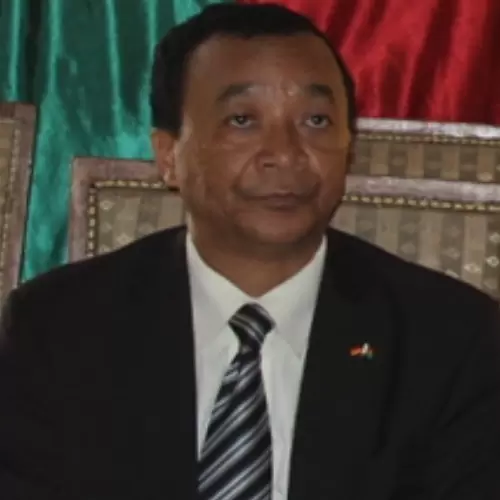
Joelisoa Ratsirarson is full Professor of Ecology and Biodiversity at the School of Agronomy of the University of Antananarivo (Madagascar). He is the Head of the Division "Ecosystems and Biodiversity" of the Doctoral School "Management of Natural Resources and Development" at the University of Antananarivo. He is a member of the Board of directors of the University of Antananarivo.
His research focuses primarily on Biodiversity conservation, including the impact of environmental change on the dynamics of rare, threatened and invasive species as well as the governance of protected areas and community-based biodiversity conservation. He has published peer-reviewed books and training manuals, in addition to articles in renowned national and international scientific journals in the field of biodiversity conservation, forest science, natural resources management and sustainable development among others. He has supervised more than 50 students preparing their Engineering and Master Memoires, Doctoral and HDR (Post doctoral) theses.
Prof. Ratsirarson is a former Associate Research Scientist of the Zoology Department of the University of Cambridge (England) and the School of Forestry and Environmental Studies at Yale University (USA). He is a former Vice-President of the University of Antananarivo and a former Secretary General of the Ministry of the Environment and Forestry of Madagascar. He is a former “Chief of Staff” of the Presidency of the Republic of Madagascar.